
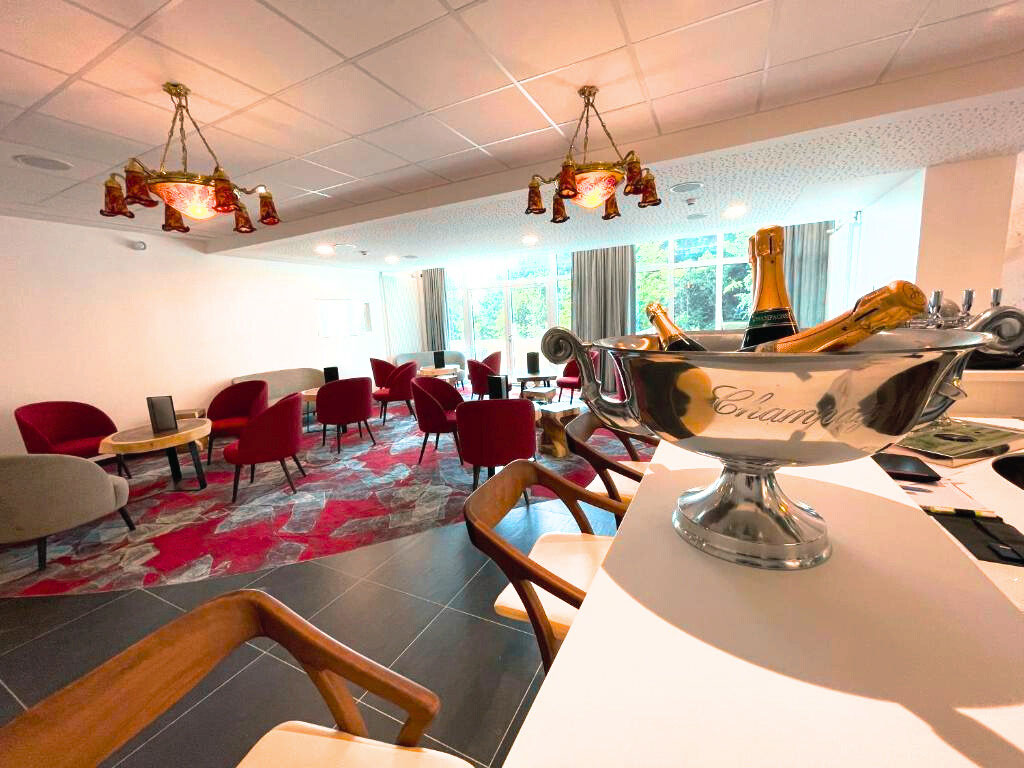
In the context of contract projects, seating represents a functional element that defines the space. Top Line designer seating is conceived as configurable systems, capable of adapting to the specific requirements of each design project. Customization is integrated into the production process as a design phase, not simply as an aesthetic variation, enabling the development of bespoke contract supplies consistent with the architectural concept.
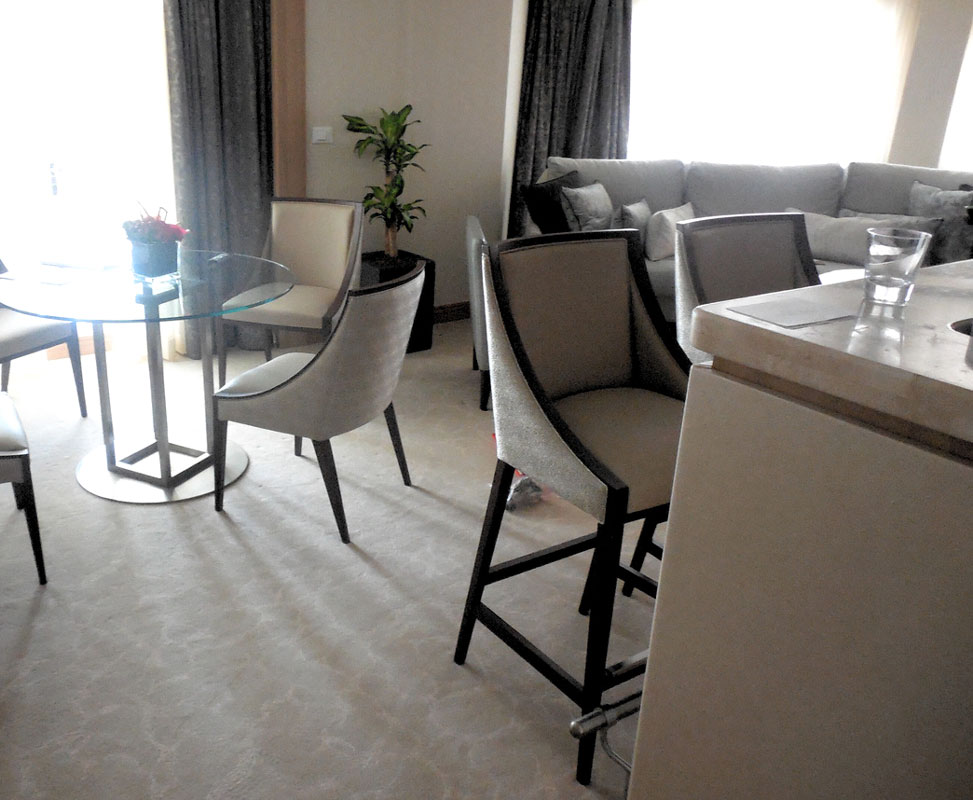
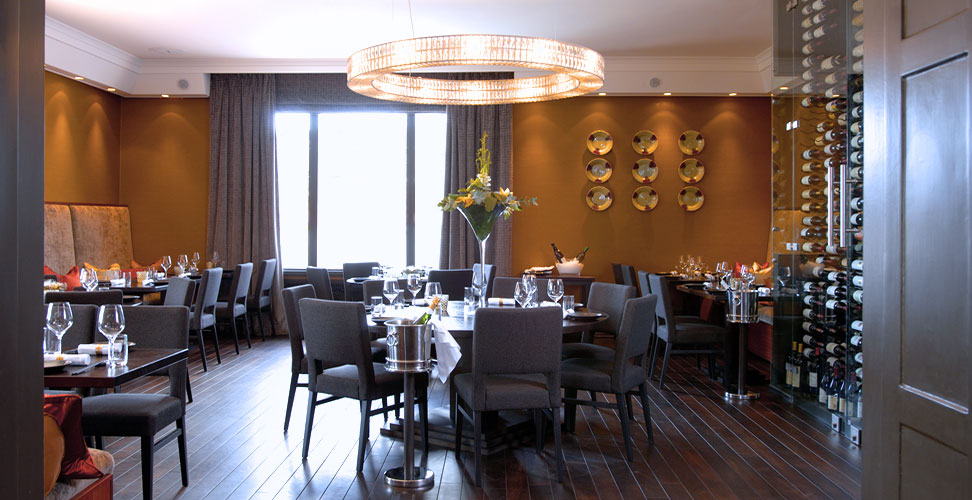
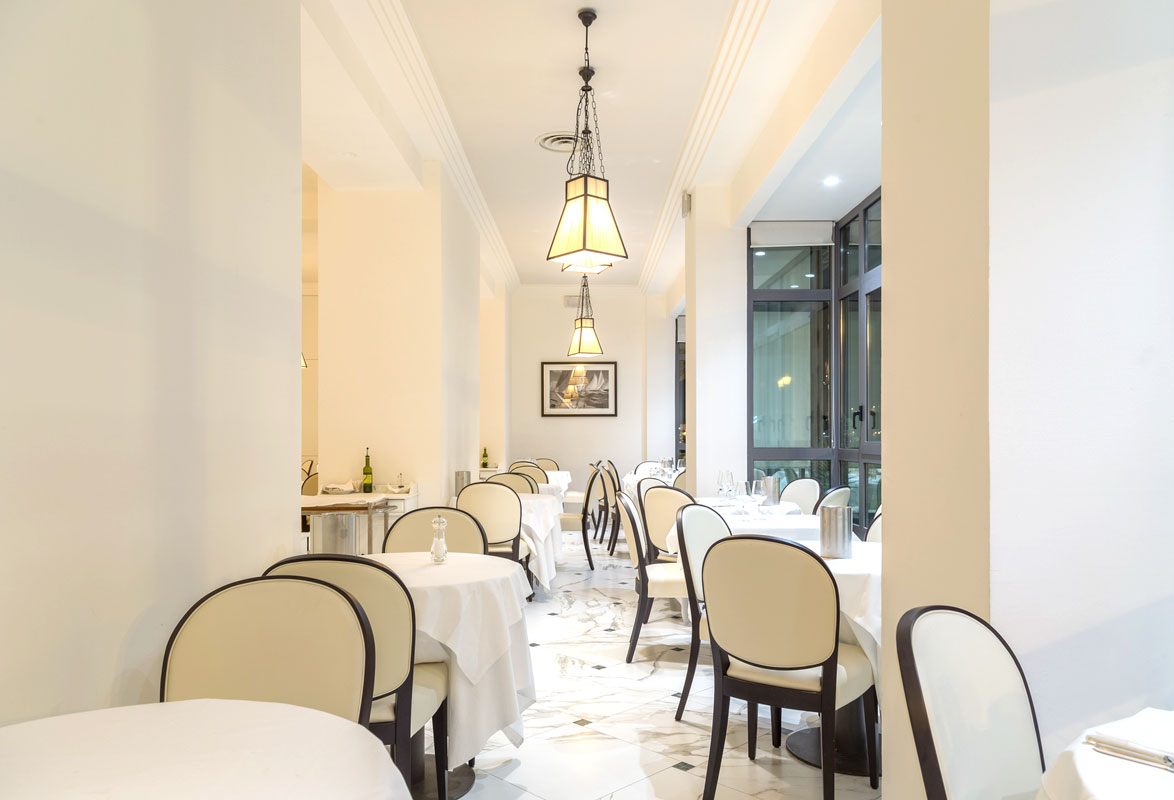
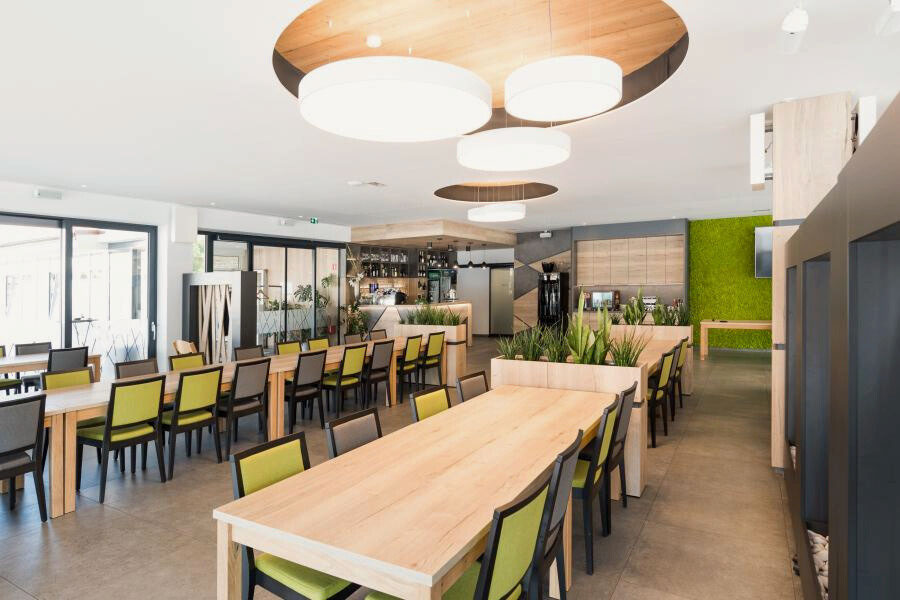
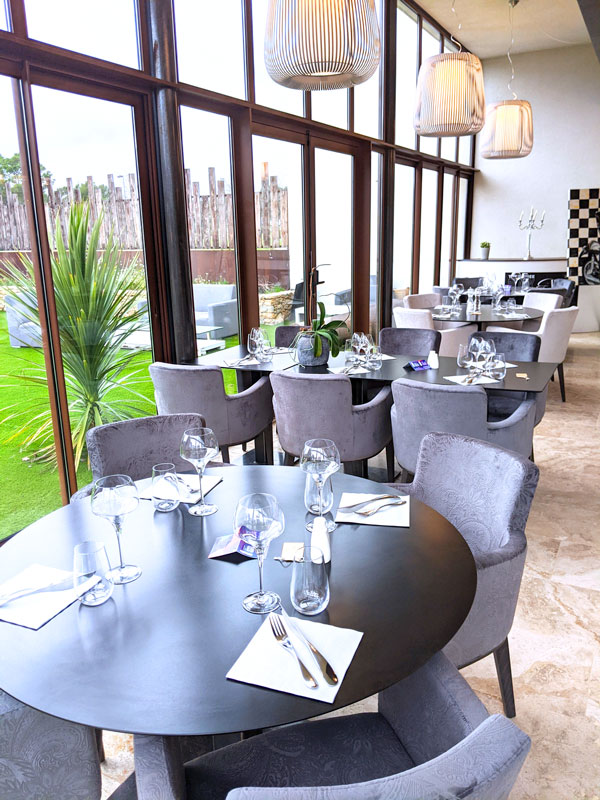
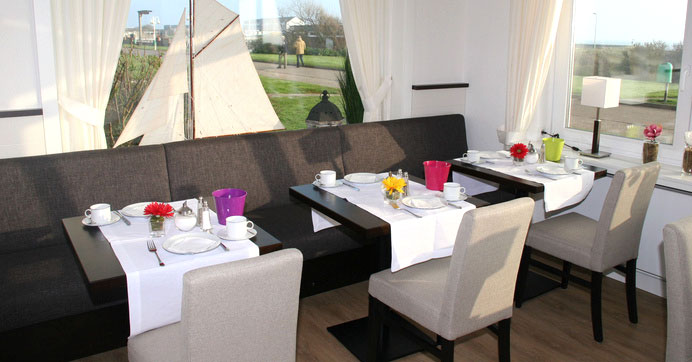
Designer wooden chairs and armchairs provide a solid structural foundation, developed for high-intensity environments such as restaurant and hotel contract projects. The configurability of the models allows for modifications to details, finishes, and upholstery, while maintaining the strength and stability required by the contract sector. For architects and designers, this means having a product that can be integrated from the earliest stages of the concept, avoiding standard solutions that often appear foreign to the project’s language.
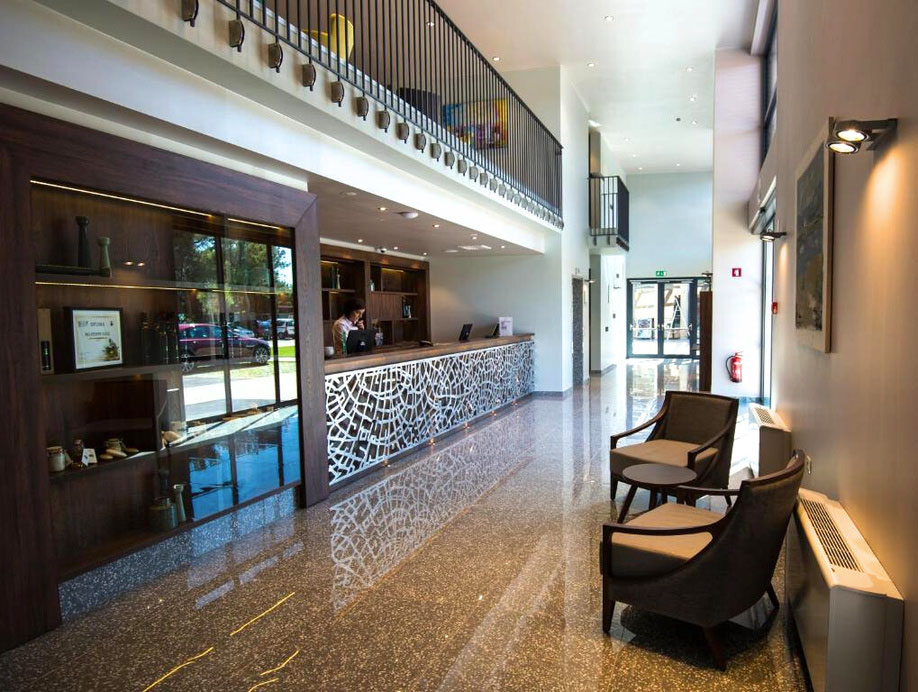
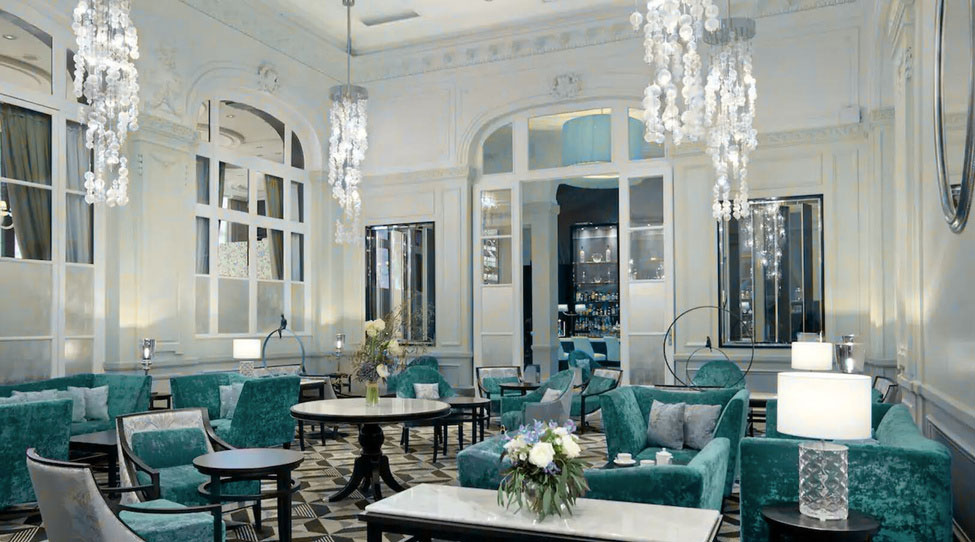
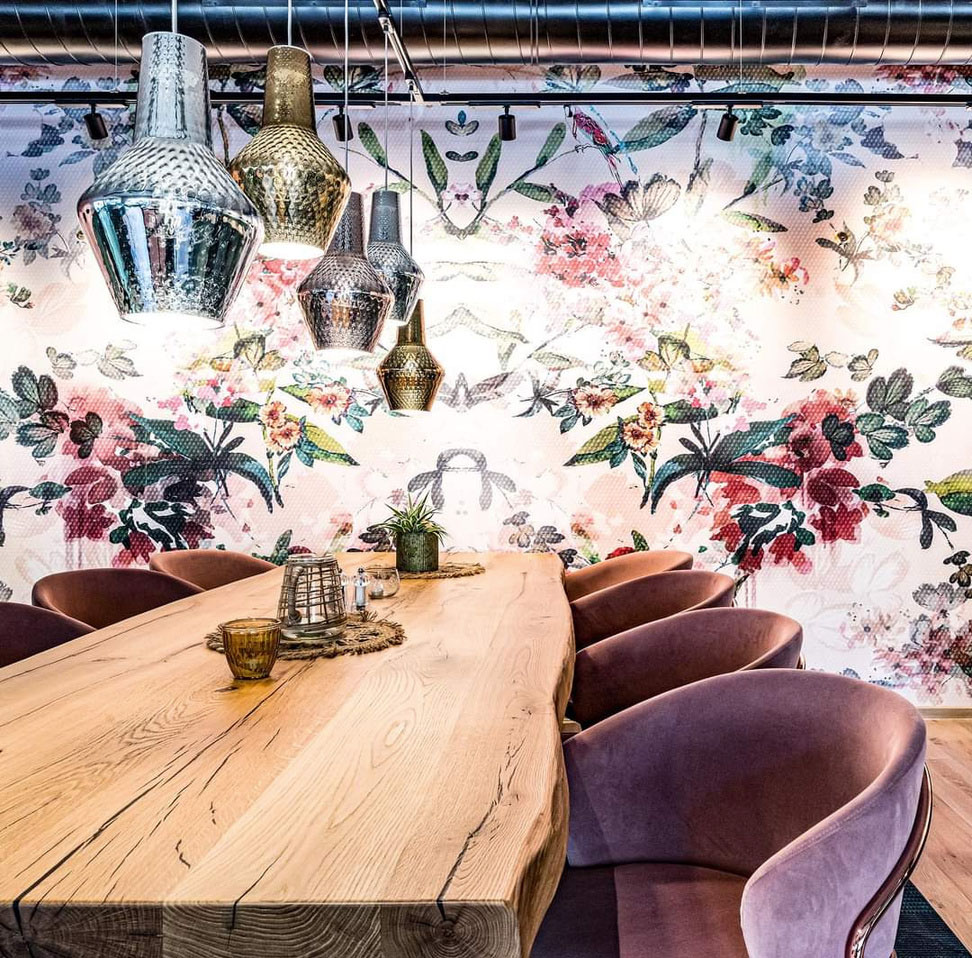
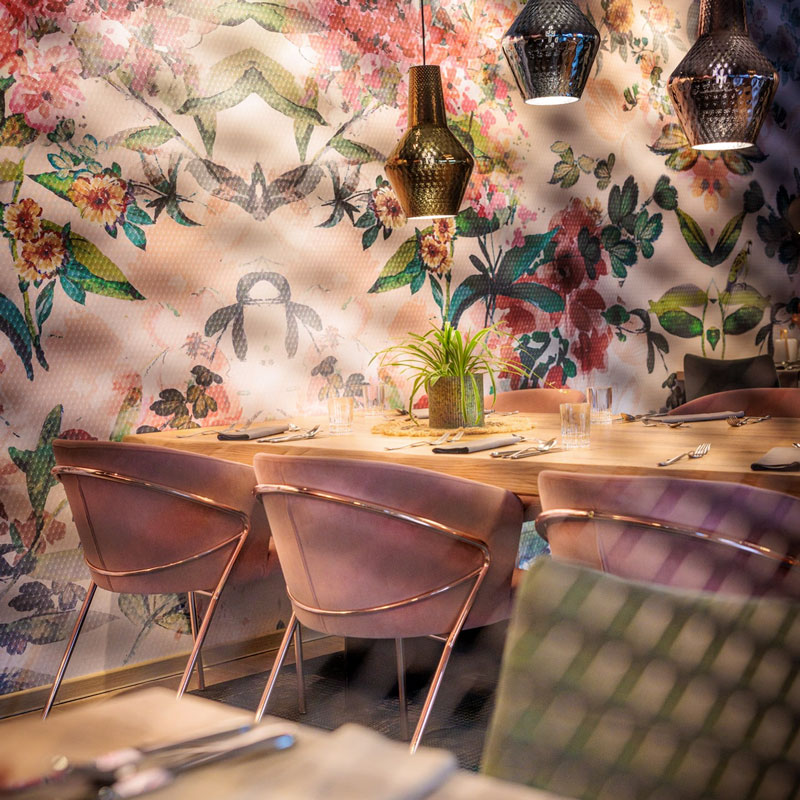
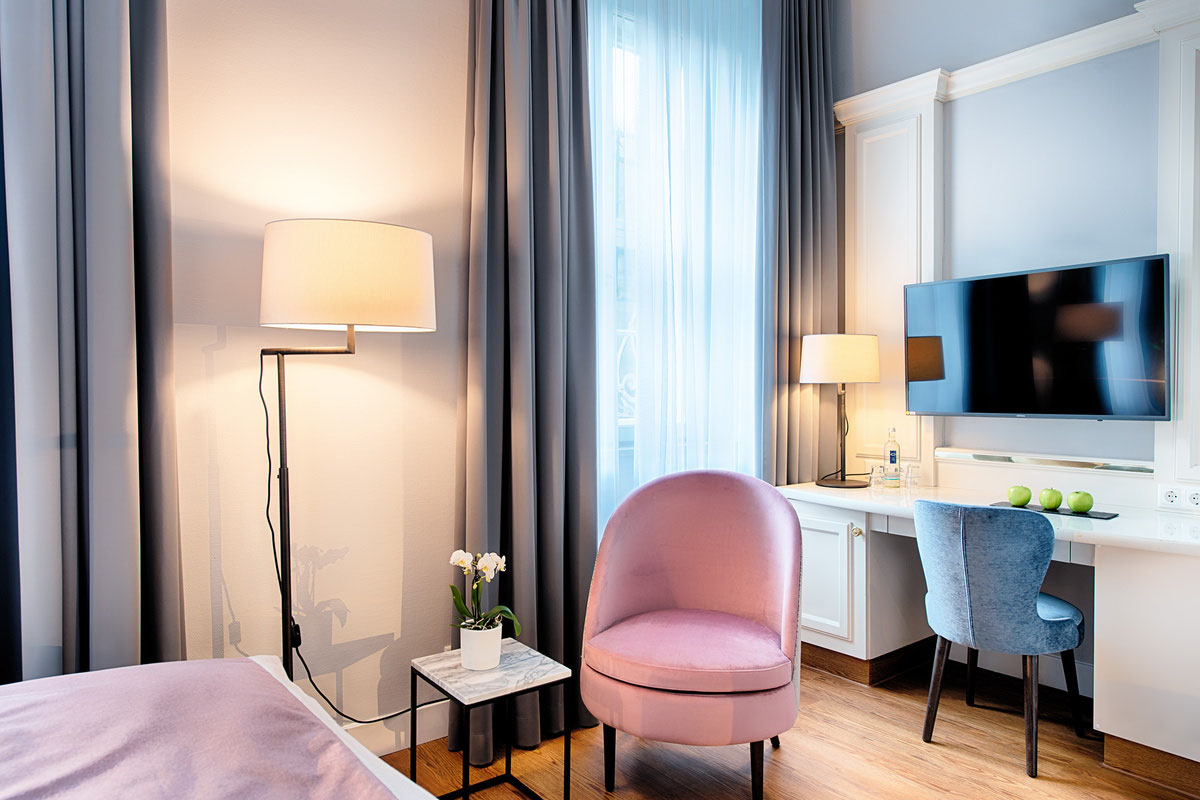
The modular approach allows for the development of coherent collections even for different spaces within the same structure (lobby, restaurant, lounge, meeting rooms). In this way, the seat becomes an integral part of the furnishing system, contributing to the definition of spatial identity and ensuring visual continuity. Designer seating thus becomes a design tool, capable of responding to technical constraints and aesthetic objectives with equal effectiveness.
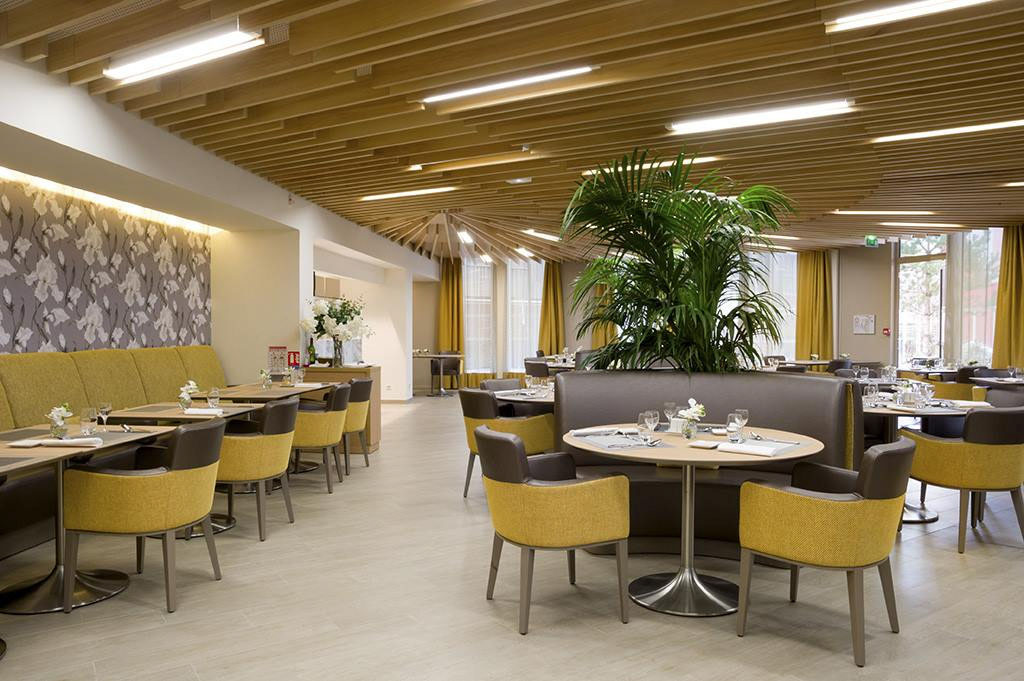
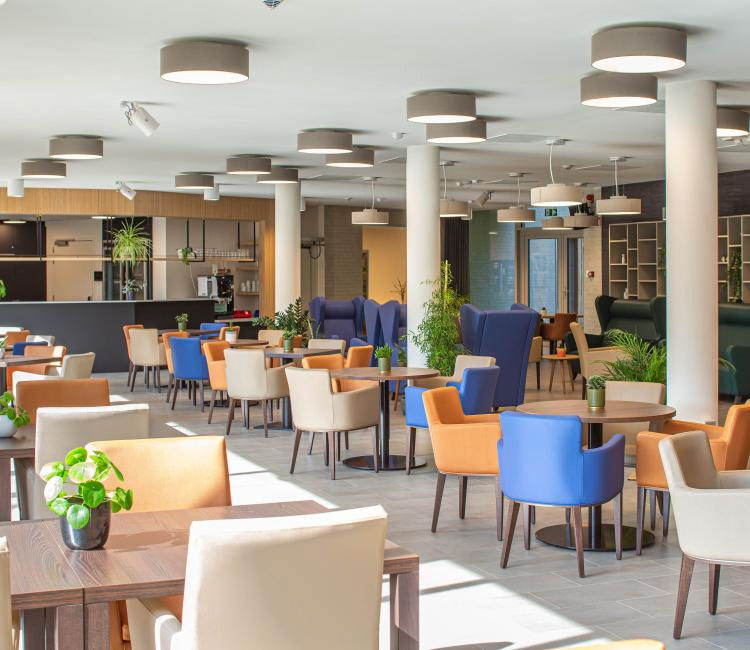
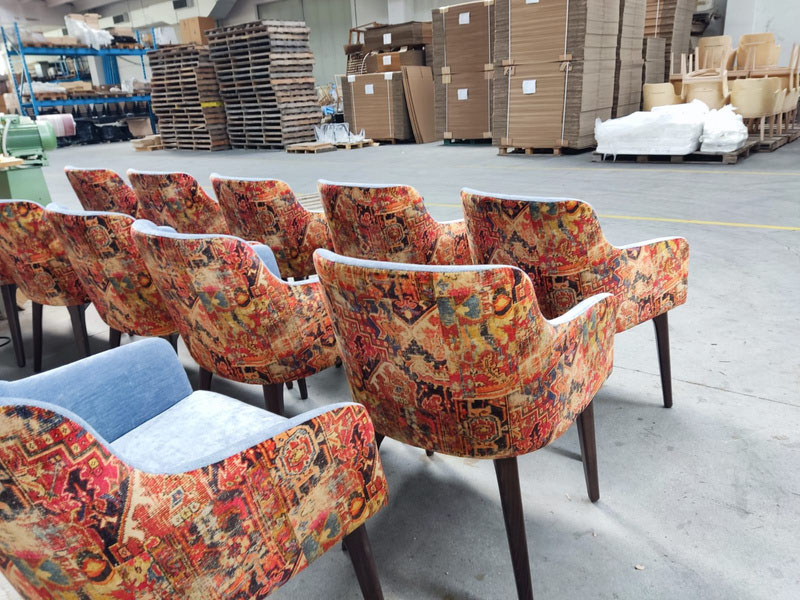
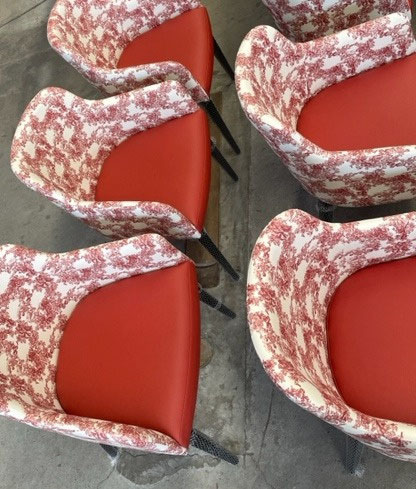
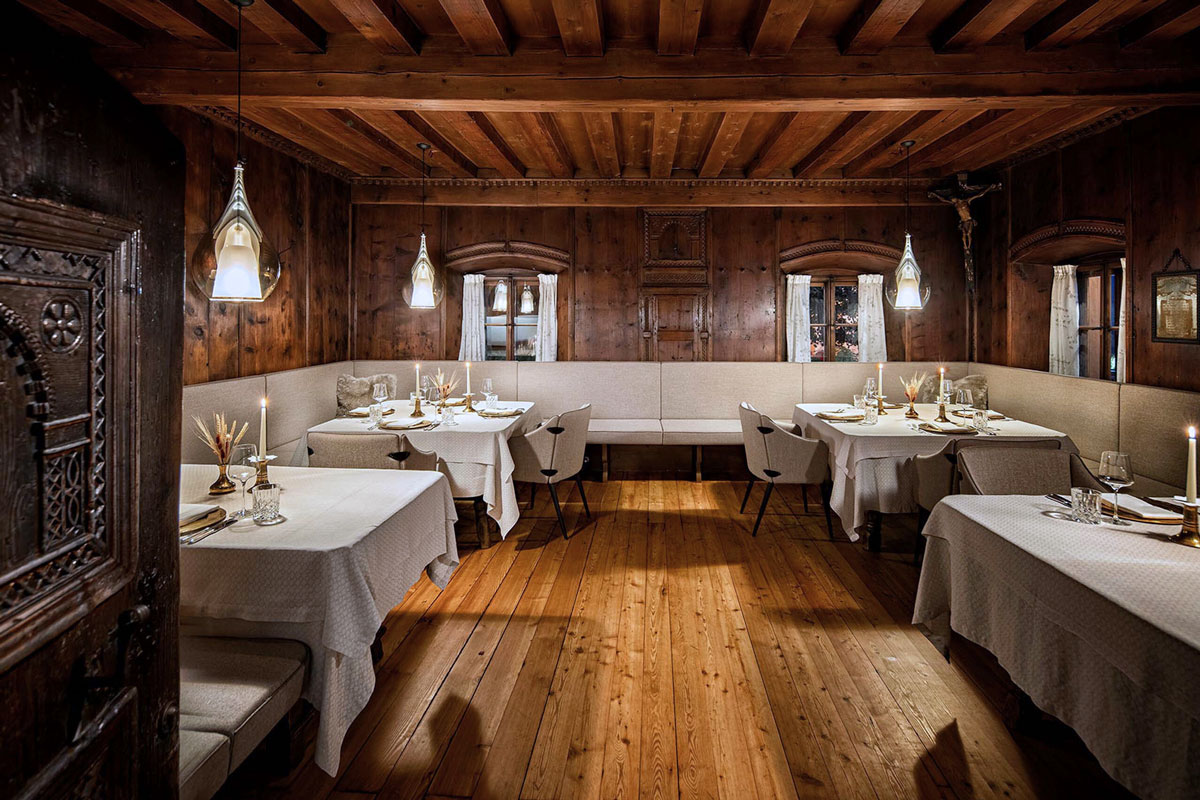
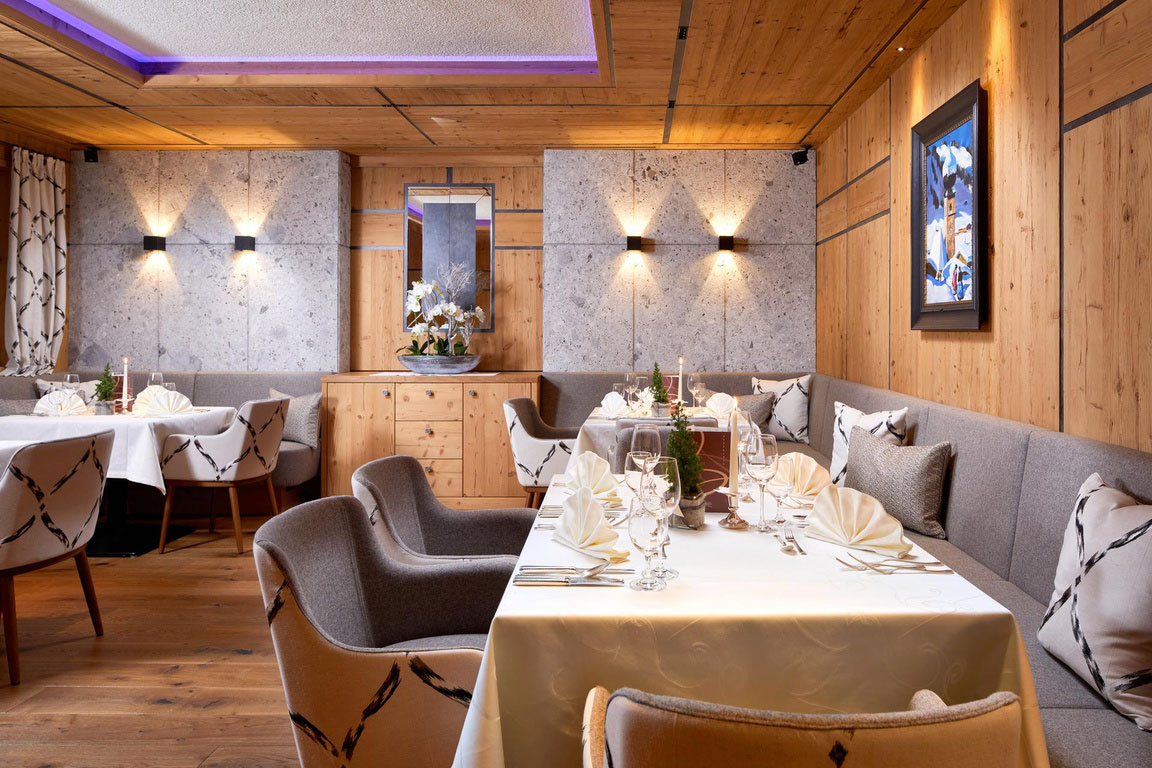
Wood and finishes as design materials.
Technical choices for a coherent design furniture
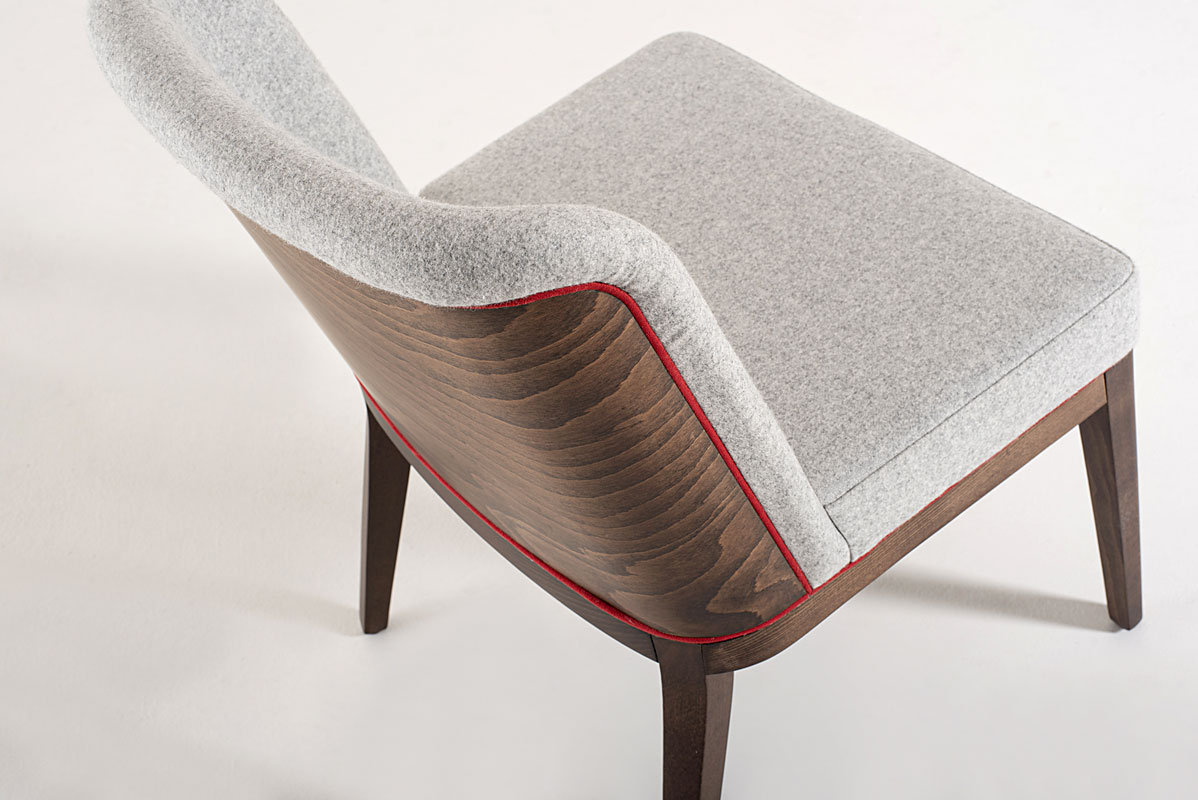
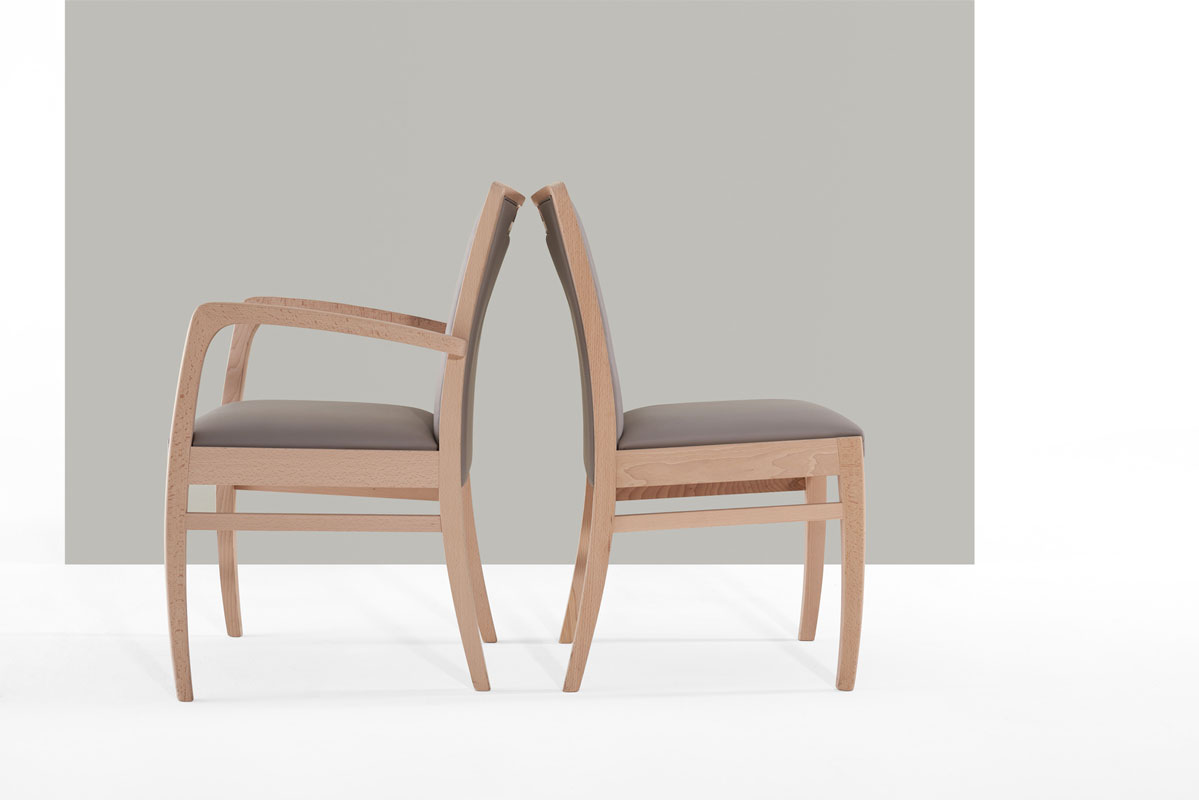
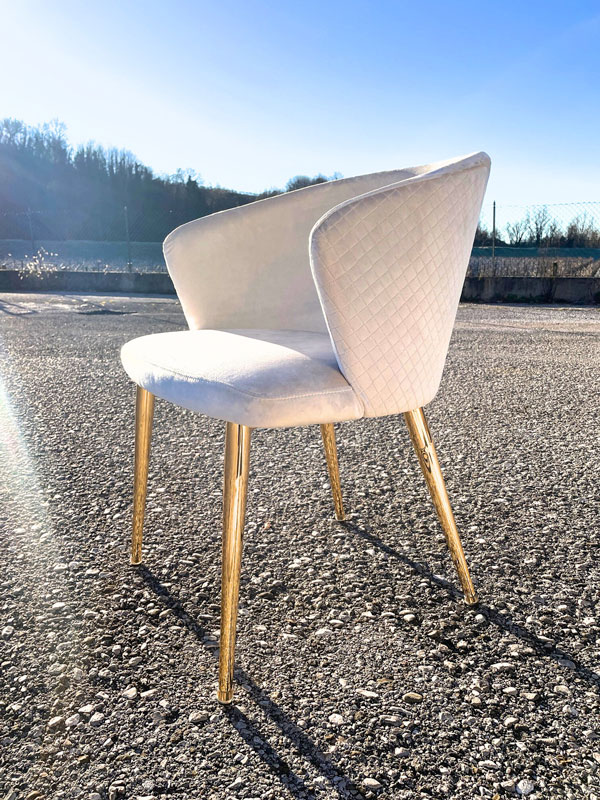
The wooden frame represents the technical and aesthetic core of the Top Line collections. The option to select different finishes allows the designer wooden chairs and armchairs to be tailored to the architectural context and color scheme of the project. In the contract sector, the finish is not a secondary decorative element, but a design variable that impacts the perception of space and the durability of the product.
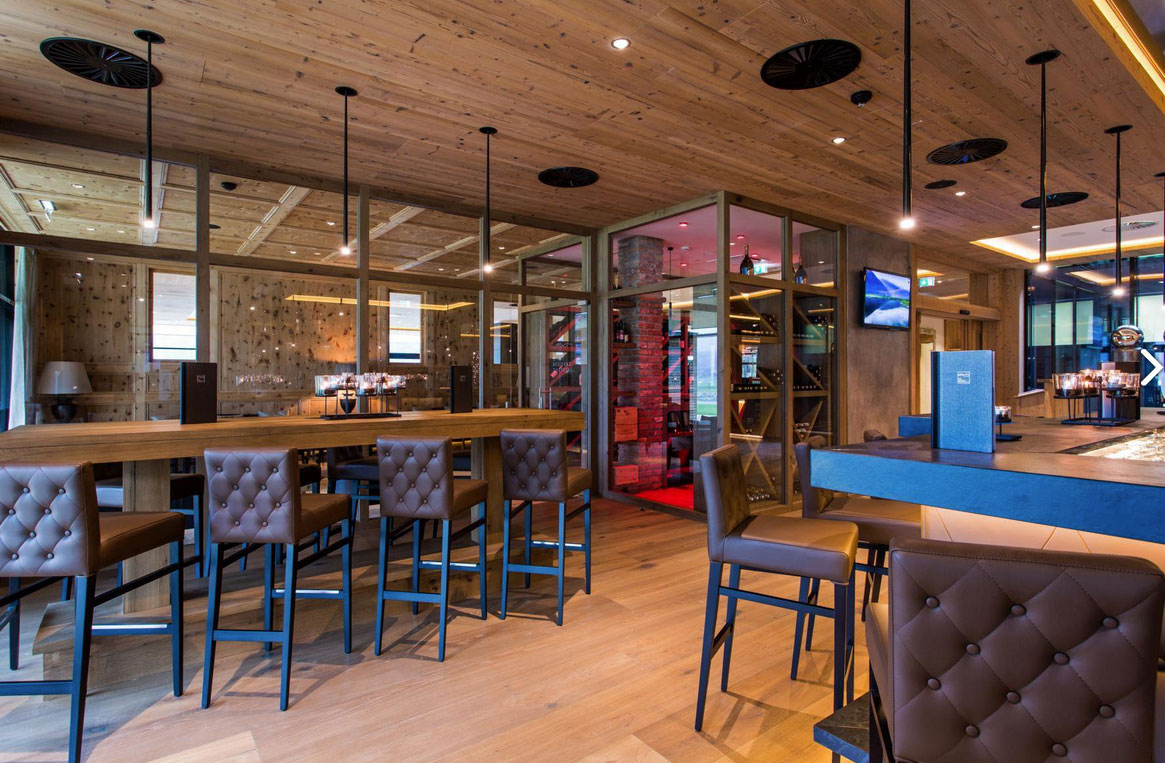
For hotel and restaurant furniture, the choice of surfaces must meet the criteria of durability, ease of maintenance, and long-term stability. The available finishes allow for natural effects, uniform surfaces, or more textured finishes, ensuring a result consistent with floors, wall coverings, and other designer furnishings. This allows architects and interior designers to use designer seating as an integral part of the architectural language, avoiding stylistic discontinuities.
The ability to customize the finishes also facilitates the standardization of large orders without sacrificing customization. In complex projects, such as hospitality facilities or large restaurant spaces, customized contract furniture allows for maintaining a coherent identity while differentiating areas with distinct functions. In this way, wood thus becomes a design material, capable of interacting with other materials and contributing to the overall atmosphere of the space.
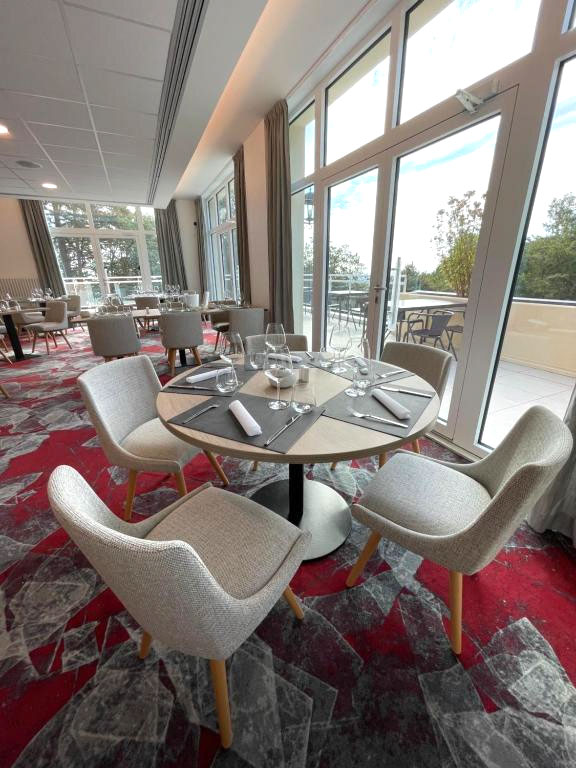
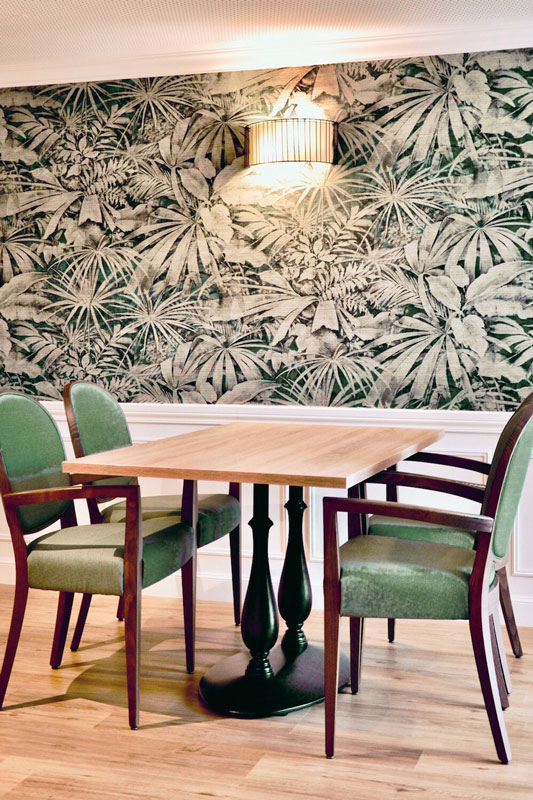
Flexible upholstery for complete project control
Seating as a support for the textile concept
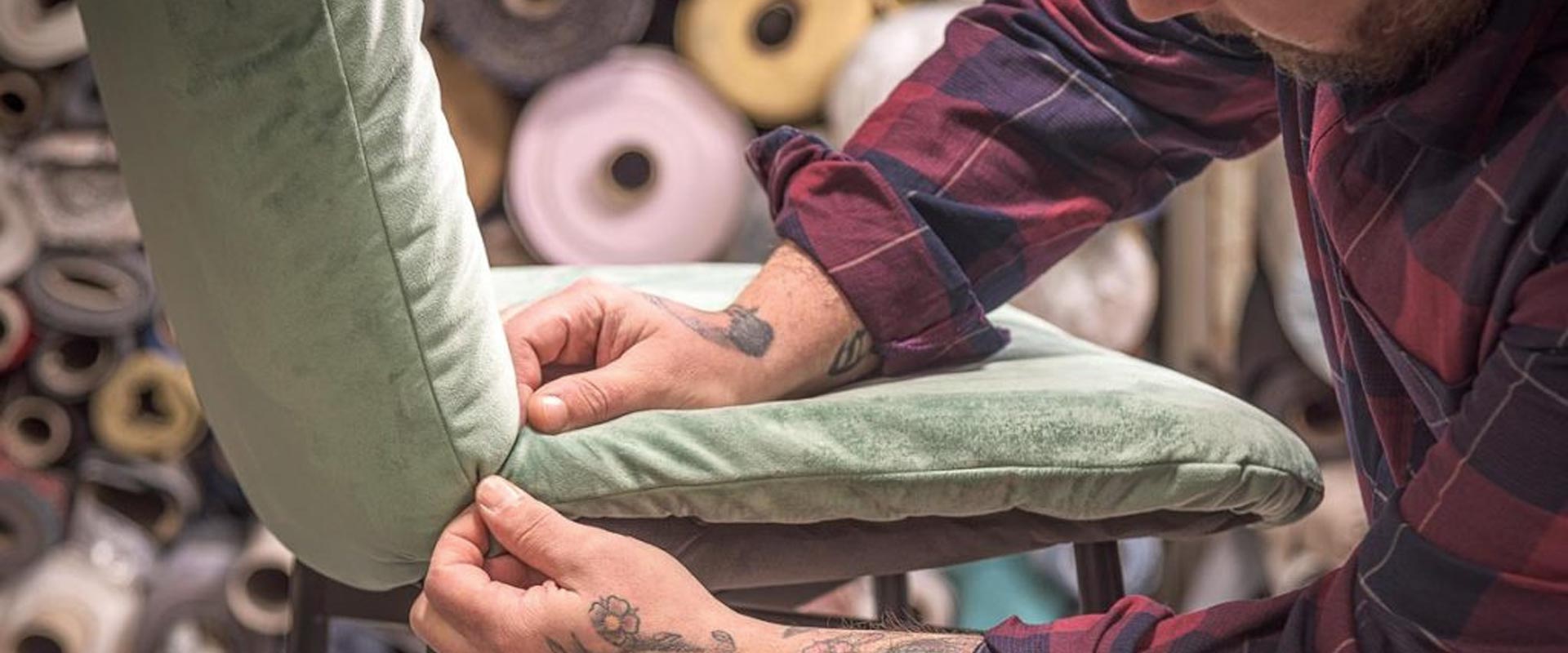
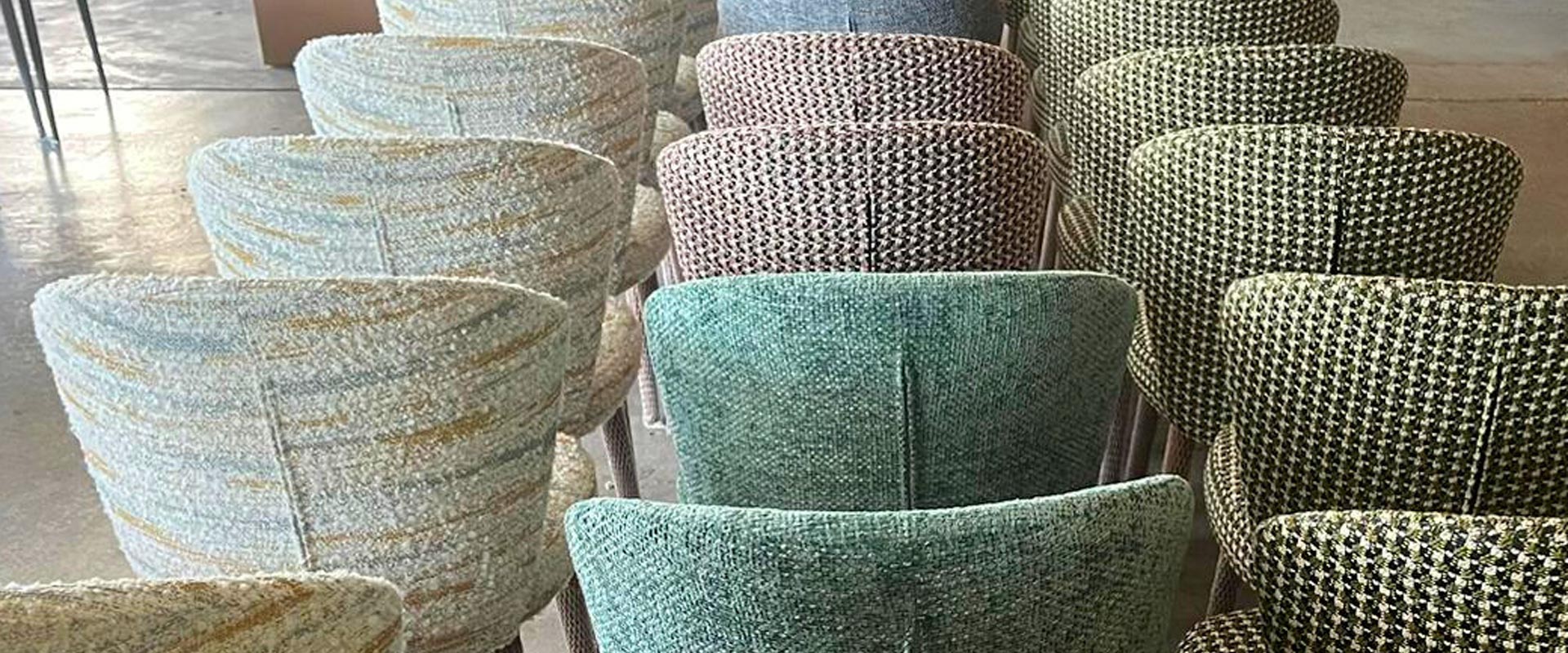
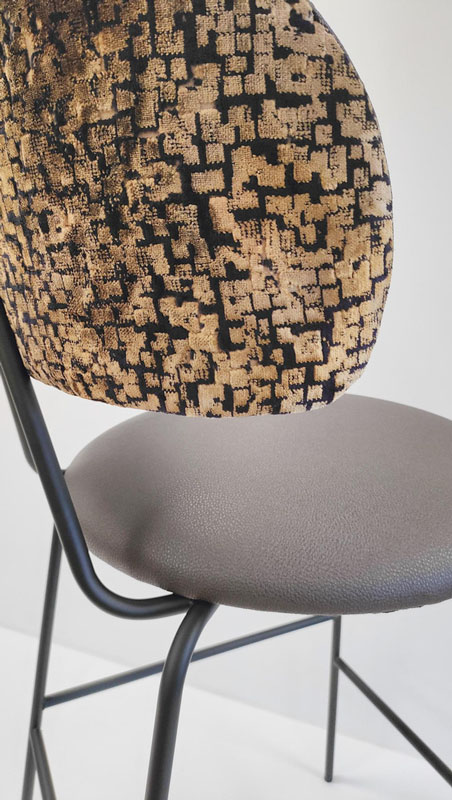
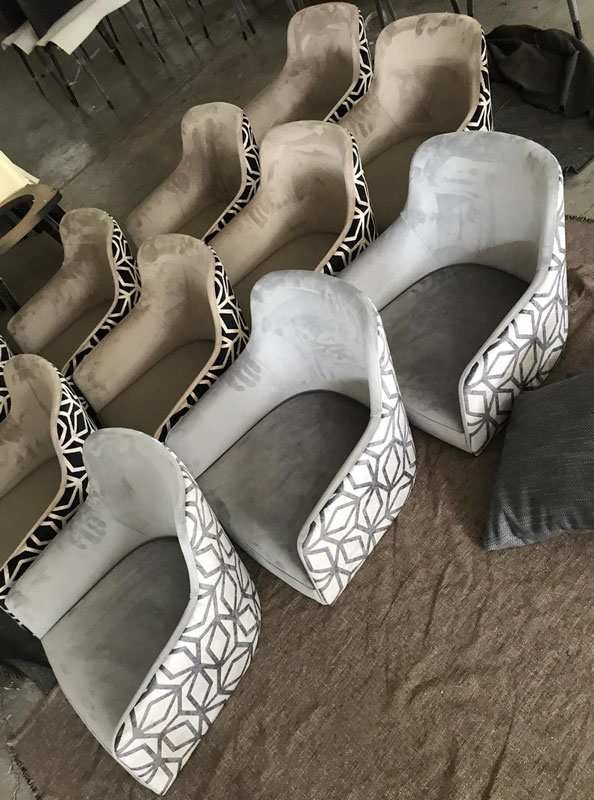
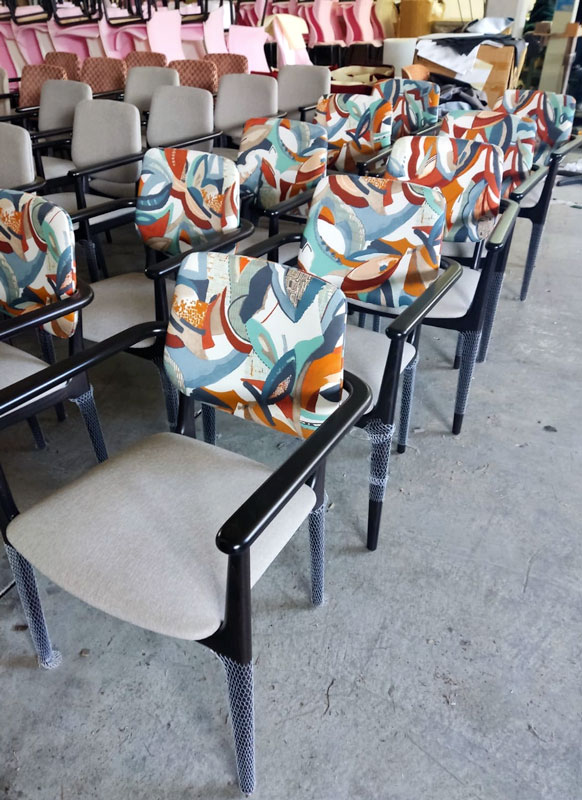
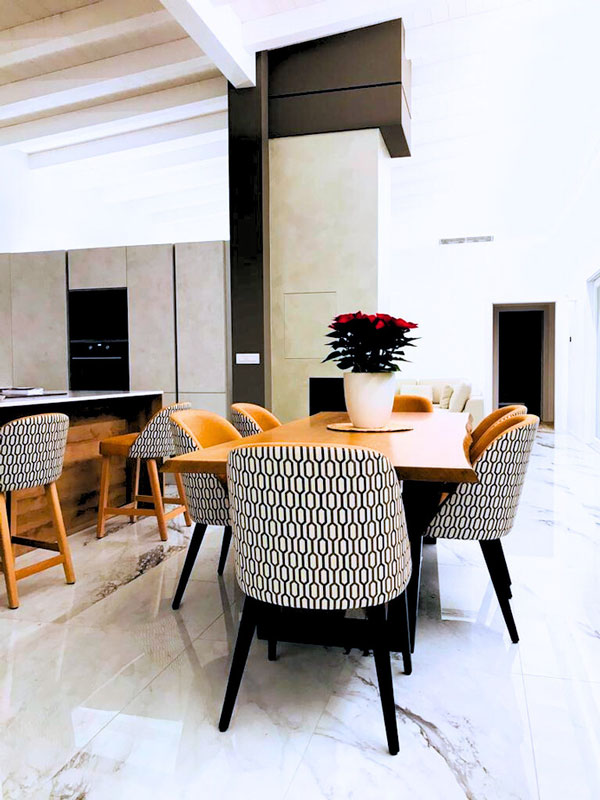
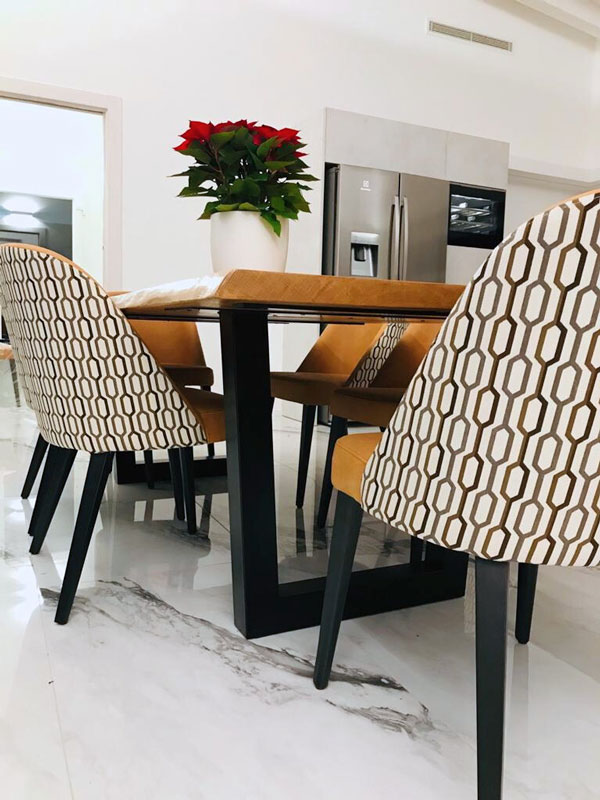
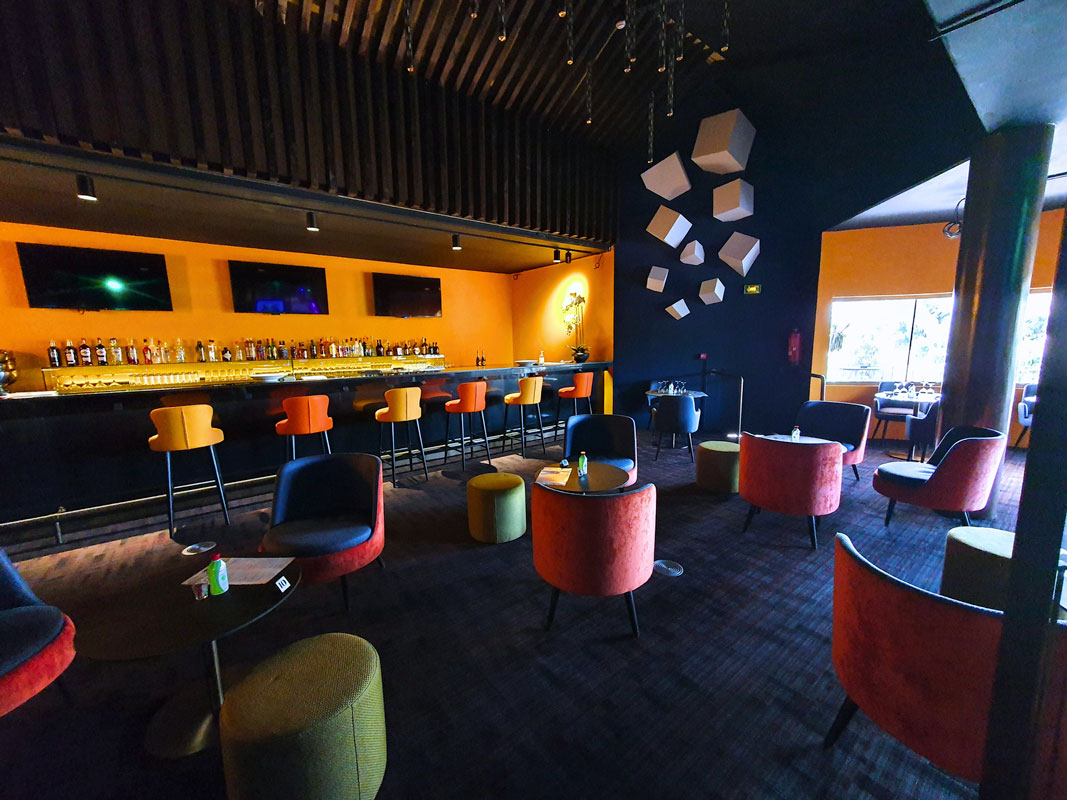
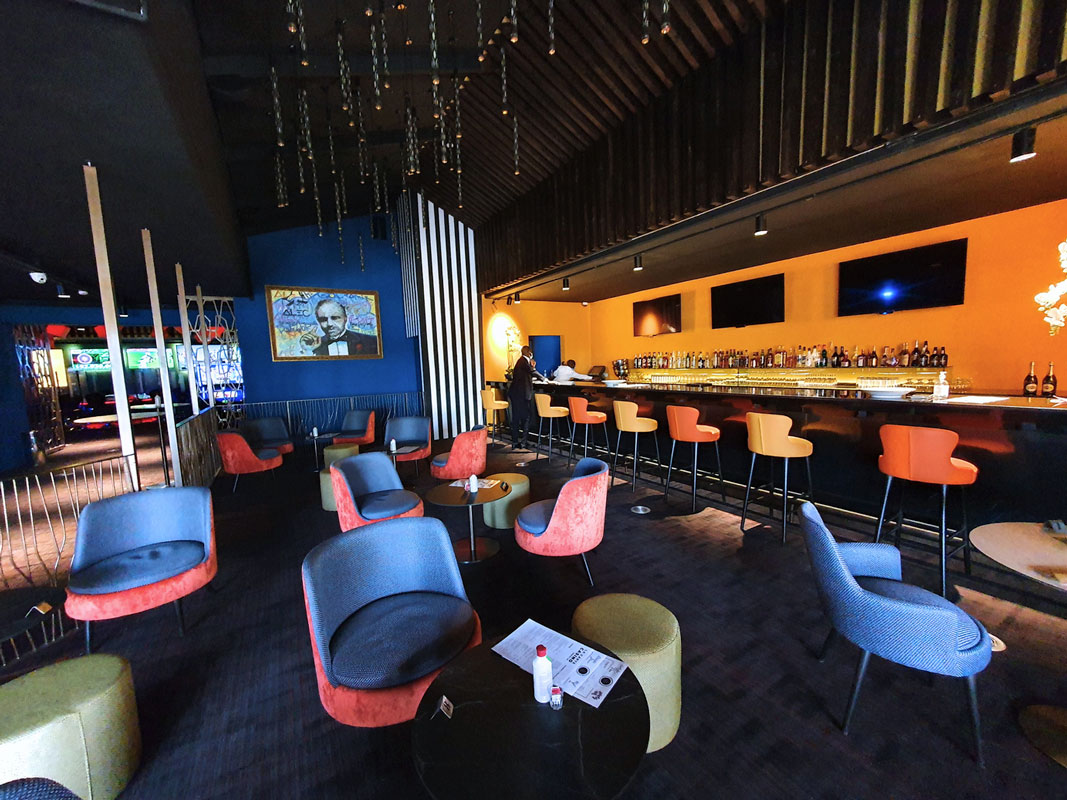
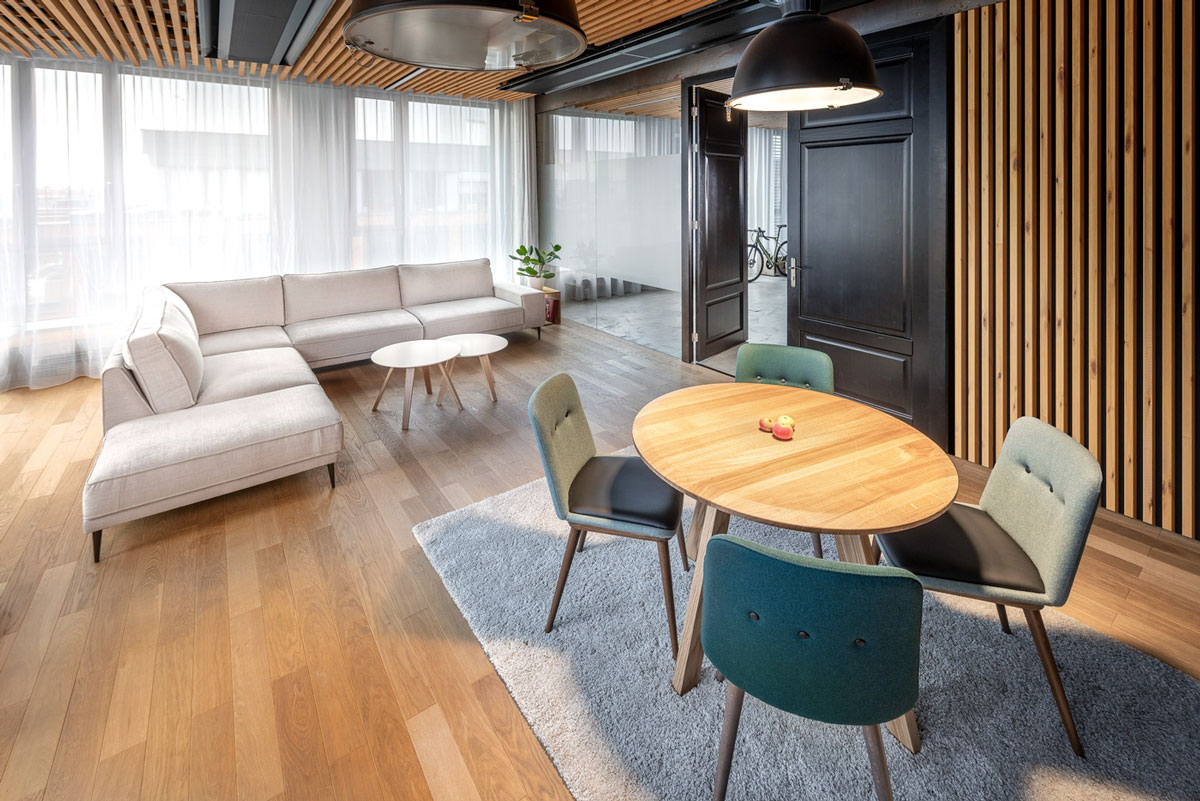
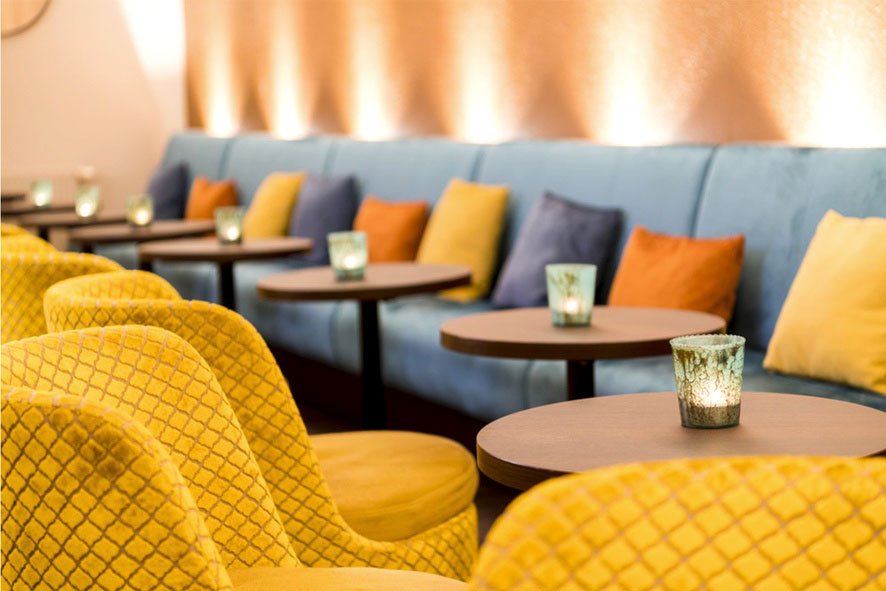
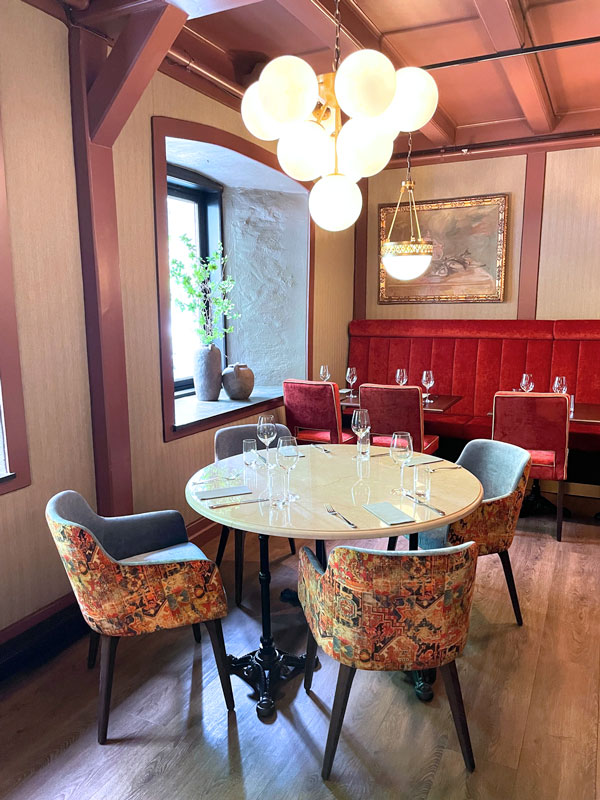
A distinctive feature of the Top Line approach is the absence of a proprietary textile collection. The seat structure is provided as a design basis, leaving the customer free to choose the upholstery best suited to the concept. This approach allows the designer chairs to be “dressed” with fabrics selected directly by the designer, ensuring consistency with curtains, wood paneling, padded panels, or other furnishing elements.
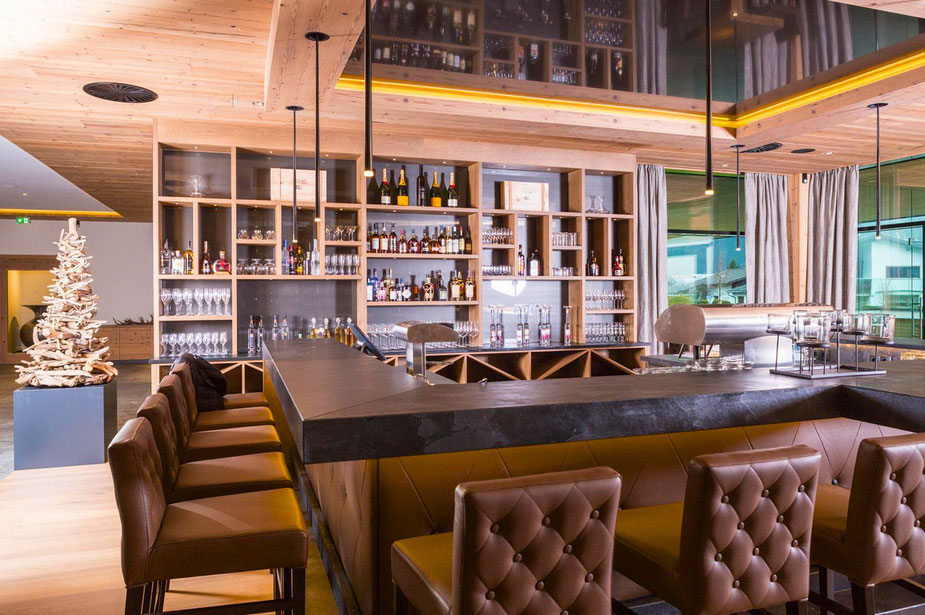
For architects and interior designers, this freedom represents a significant operational advantage: the upholstery can be integrated into the color and material design from the earliest stages, without subsequent adjustments. In customized contract supplies, this option allows for a precise response to the client’s requests, enhancing the brand identity and spatial recognition. Designer wooden chairs and armchairs thus become neutral and versatile supports, ready to accommodate different materials depending on the project.
In restaurant and hotel furniture, the choice of fabric directly impacts the perception of comfort and quality. Technical, natural, or decorative fabrics can be applied while maintaining the supporting structure, resulting in a product that combines solidity and aesthetic customization. Designer seating therefore plays a strategic role within the project: not just functional elements, but components capable of strengthening the overall concept of the designer furniture and meeting the operational needs of the contract sector.
Request a quote
Are you designing a contract space and looking for designer seating to suit your project?
Fill out the form to receive a personalized proposal based on your style, materials, and quantity requirements.
Our team is available to help you choose the best solutions for hotels, restaurants, and professional spaces, with customized contract furniture and dedicated assistance.